Decorative Mandala Motif Design: A Versatile Tool for Creative Projects
Decorative Mandala Motif Design has emerged as a powerful visual element across various creative fields. Rooted in ancient symbolism, mandalas are intricate patterns that represent harmony, balance, and spiritual unity. In modern design contexts, these motifs are reimagined to serve both aesthetic and functional purposes. Whether you're a professional designer, marketer, or hobbyist, incorporating Decorative Mandala Motif Design into your work can add depth, cultural resonance, and visual appeal.
The Essence of Decorative Mandala Motif Design
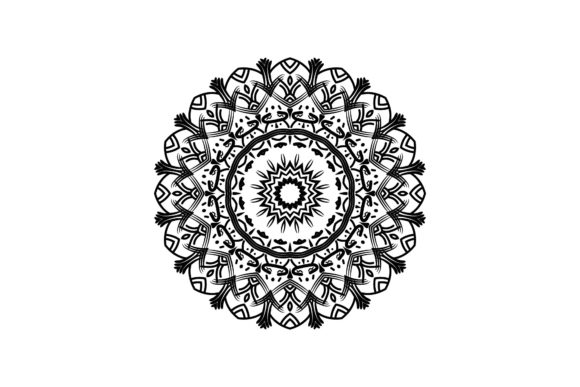
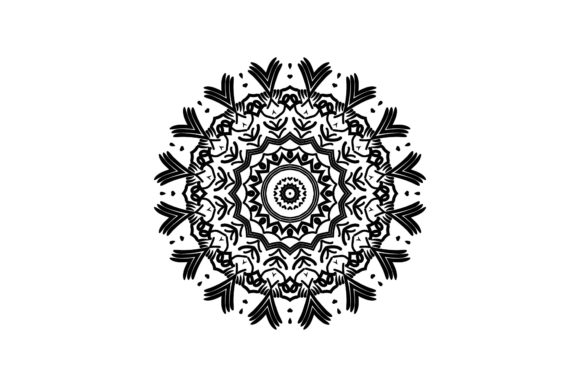
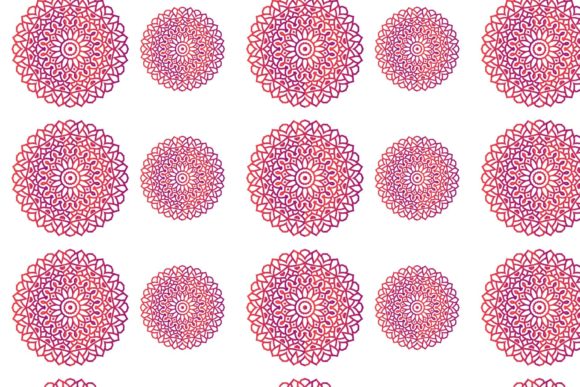
At its core, Decorative Mandala Motif Design refers to the artistic arrangement of geometric shapes, symbols, and patterns arranged around a central point. These designs often feature radial symmetry, flowing lines, and repetitive elements that create a sense of movement and rhythm. The motif is commonly used in graphic design, textile art, interior décor, and digital media.
What makes Decorative Mandala Motif Design particularly valuable is its adaptability. It can be scaled, modified, and integrated into a wide range of formats without losing its visual integrity. This flexibility ensures that it remains relevant across different industries and applications.
Key Characteristics and Practical Value
One of the defining features of Decorative Mandala Motif Design is its ability to convey complexity through simplicity. Despite the intricate nature of mandalas, they are often composed using fundamental shapes like circles, triangles, and spirals. This allows designers to maintain clarity while creating visually rich compositions.
Another key characteristic is the versatility of the design. From minimalist backgrounds to bold foreground elements, mandalas can be adapted to suit a variety of styles and themes. Their symmetrical structure also makes them ideal for use in logos, branding materials, and promotional content where consistency and recognition are important.
Practically speaking, Decorative Mandala Motif Design offers a high level of usability. With files available in multiple formats—such as AI, EPS, SVG, JPG, and PNG—designers can easily edit and incorporate the motif into their projects. This accessibility is especially beneficial for professionals who need to work across different platforms and software environments.
Who Benefits from Decorative Mandala Motif Design?
While Decorative Mandala Motif Design appeals to a broad audience, certain groups may find it particularly useful. Marketers and advertisers, for instance, can leverage mandalas to create eye-catching visuals that evoke a sense of calm and focus. These designs are effective in campaigns targeting wellness, meditation, and mindfulness niches.
Freelancers and entrepreneurs working in the creative industry can also benefit from using mandalas in their branding. The motif adds a unique touch that distinguishes their work from competitors. Educators and publishers might use mandalas in educational materials or books focused on spirituality, psychology, or art appreciation.
For small business owners, incorporating Decorative Mandala Motif Design into packaging, signage, or digital marketing assets can enhance brand identity and attract a more engaged audience. The motif’s universal appeal makes it suitable for diverse markets and cultures.
Evaluating Quality and Usability
When considering Decorative Mandala Motif Design, quality is a critical factor. High-resolution files ensure that the design remains crisp and clear even when scaled up. The 1920px x 1280px canvas size provides ample space for detail while maintaining a balanced composition.
Usability is another important consideration. Files in AI and EPS formats allow for easy editing in vector-based software, making it simple to customize colors, add text, or integrate with other design elements. SVG files are particularly useful for web developers and digital creators who need scalable graphics for websites or mobile apps.
The availability of JPG and PNG files ensures compatibility with a wide range of platforms, including print and digital publishing. This makes Decorative Mandala Motif Design accessible to users regardless of their technical background or preferred workflow.
Real-World Applications and Limitations
In real-world scenarios, Decorative Mandala Motif Design performs well in situations where visual storytelling and emotional engagement are key. For example, a yoga studio might use mandalas in their marketing materials to reinforce themes of peace and self-discovery. Similarly, a clothing brand could incorporate mandalas into fabric prints to create unique, culturally inspired designs.
However, there are limitations to consider. While mandalas are visually striking, they may not be suitable for every design context. Overuse or inappropriate placement can lead to cluttered compositions. Additionally, the symbolic meaning of mandalas may vary across cultures, so designers should be mindful of potential misinterpretations.
To avoid these pitfalls, it's essential to approach Decorative Mandala Motif Design with intention. Understanding the context, audience, and purpose of the design will help ensure that the motif enhances rather than detracts from the overall message.
Final Thoughts on Decorative Mandala Motif Design
Decorative Mandala Motif Design is more than just an aesthetic choice—it's a tool that can elevate the visual impact of creative projects. Its blend of cultural significance, visual complexity, and practical adaptability makes it a valuable asset for professionals and hobbyists alike.
Whether you're looking to add a touch of elegance to your branding, create engaging content for a wellness-focused audience, or explore new artistic expressions, Decorative Mandala Motif Design offers a compelling solution. By choosing high-quality, versatile files and applying thoughtful design principles, you can unlock the full potential of this timeless motif.