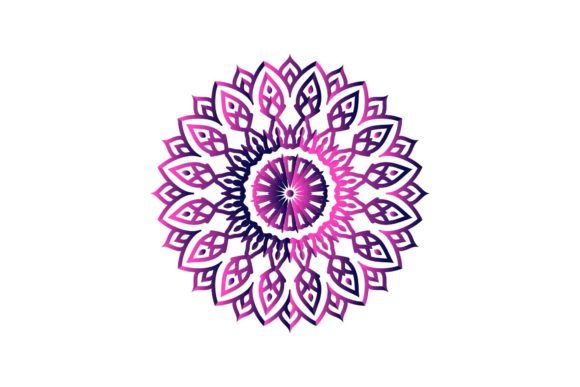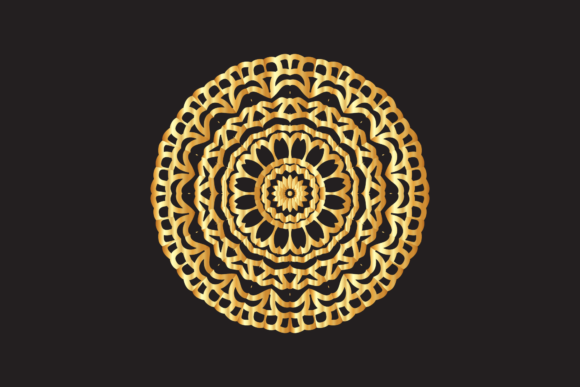
Mandala Decorative Design – A Versatile Tool for Creative Expression and Practical Use
Mandala Decorative Design has become a popular choice among artists, designers, and creative professionals looking to add intricate patterns and symbolic elements to their projects. This design style, rooted in ancient traditions, offers a unique blend of symmetry, spirituality, and visual appeal that can be adapted across various industries and purposes. Whether you're creating digital art, branding materials, or home décor, Mandala Decorative Design provides a powerful way to convey meaning and beauty through pattern.
What is Mandala Decorative Design?
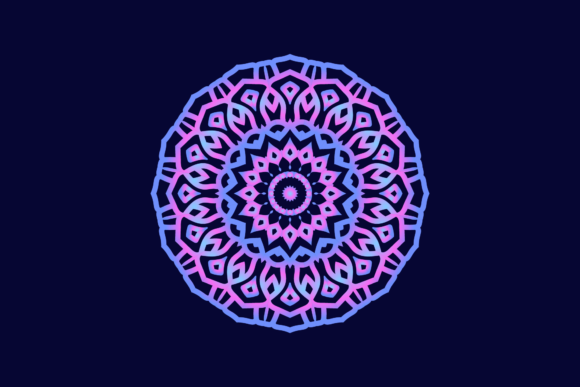
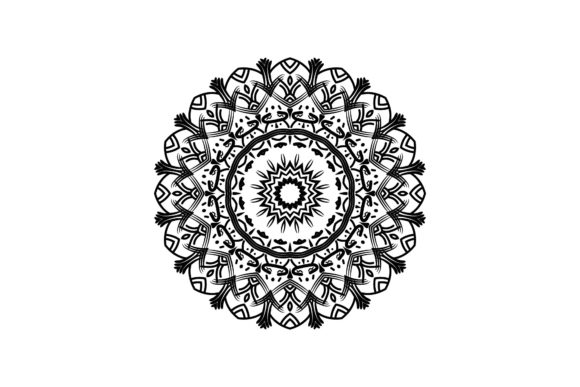
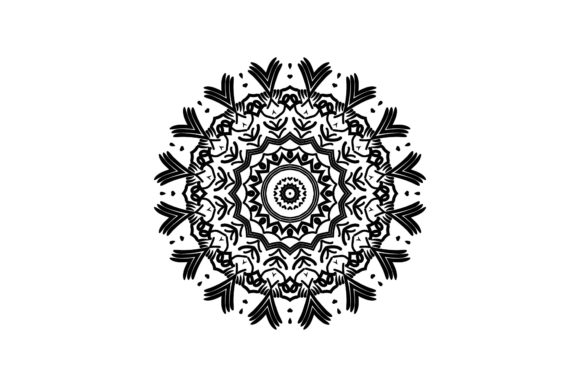
At its core, Mandala Decorative Design refers to the use of circular, symmetrical patterns often inspired by traditional mandalas from Eastern cultures. These designs are rich in detail and symbolism, making them ideal for both artistic and commercial applications. Unlike simple geometric shapes, Mandala Decorative Designs incorporate layers, colors, and intricate line work to create a sense of depth and harmony.
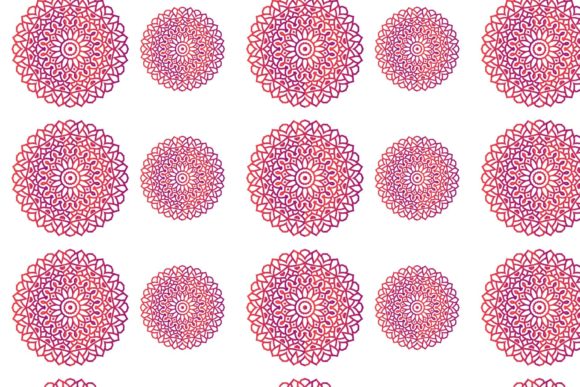
The versatility of Mandala Decorative Design lies in its adaptability. It can be used as a standalone graphic or integrated into larger compositions. Its repetitive nature allows for seamless tiling, while its spiritual undertones make it appealing for mindfulness-based products or wellness-focused branding.
Real-World Applications of Mandala Decorative Design
The practical uses of Mandala Decorative Design span across multiple industries. For instance, in the world of interior design, these patterns are often used to create calming environments in spaces like meditation rooms, yoga studios, or even modern living areas. The soothing visuals help reduce stress and promote relaxation, which is especially valuable in today’s fast-paced world.
In the fashion industry, Mandala Decorative Design appears on clothing, accessories, and fabric prints. Designers appreciate how these patterns can be scaled and modified to suit different styles, from bohemian to contemporary. The same goes for product packaging, where the intricate details of Mandala Decorative Designs can elevate the perceived value of a product.
For digital creators, Mandala Decorative Design is an excellent resource for website headers, social media graphics, and app interfaces. The high-resolution canvas size of 1920px X 1280px ensures that the design remains crisp and clear on any screen, whether viewed on a smartphone or a large monitor.
Who Benefits from Using Mandala Decorative Design?
Anyone involved in creative work can benefit from incorporating Mandala Decorative Design into their projects. Graphic designers might use it for logos or brand assets, while illustrators could integrate it into their artwork for added texture and visual interest. Educators and therapists may find it useful in mindfulness exercises or therapeutic art sessions, where the meditative quality of mandalas encourages focus and inner peace.
Entrepreneurs launching new products can also take advantage of Mandala Decorative Design to differentiate their offerings. From stationery to home goods, the inclusion of such designs adds a touch of elegance and uniqueness that can attract a wider audience.
Considerations Before Using Mandala Decorative Design
While Mandala Decorative Design is highly versatile, there are some factors to consider before using it. One important consideration is the cultural context of mandalas. They have deep roots in Hinduism, Buddhism, and other spiritual traditions, so it's essential to approach their use with respect and awareness.
Another factor is scalability. While the 1920px X 1280px canvas size is suitable for many applications, users should ensure that the design maintains its integrity when resized. Some intricate details may not translate well at smaller sizes, so testing the design in different contexts is advisable.
Additionally, the file formats provided—AI, EPS, SVG, JPG, and PNG—offer flexibility depending on the user's needs. Vector files like AI and EPS are ideal for editing and scaling, while raster formats like JPG and PNG are better suited for web use or print.
Practical Examples of Mandala Decorative Design in Action
Imagine a small business owner who wants to rebrand their eco-friendly product line. By incorporating Mandala Decorative Design into their packaging and marketing materials, they can communicate a sense of balance, sustainability, and natural harmony. The design becomes more than just decoration—it becomes a part of the brand's identity.
Or think about a freelance graphic designer working on a client's website. By using Mandala Decorative Design as a background element, they can create a visually engaging experience that draws visitors in and keeps them on the page longer. The design adds depth without overwhelming the content, striking the perfect balance between aesthetics and functionality.
Even in personal projects, such as creating a vision board or designing a custom piece of art, Mandala Decorative Design can serve as a powerful tool for self-expression and creativity. Its universal appeal makes it accessible to people from all walks of life, regardless of their artistic skill level.
Why Choose Mandala Decorative Design?
The decision to use Mandala Decorative Design comes down to its ability to combine beauty with meaning. It's not just about creating an eye-catching image; it's about conveying something deeper. Whether you're looking to enhance your creative workflow, explore new design possibilities, or simply bring a sense of calm into your space, Mandala Decorative Design offers a compelling solution.
With five digital files available in various formats, users have the freedom to choose the one that best suits their project. From high-resolution canvases to editable vector files, this package provides everything needed to bring a Mandala Decorative Design to life. And with the ease of customization, it's no wonder that this design style continues to gain popularity across different fields and industries.