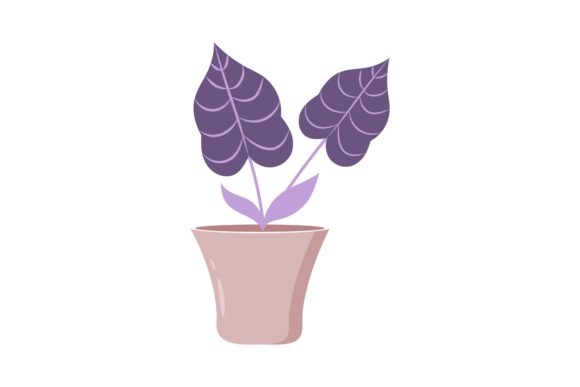
Decorative Plant Icon Design: A Versatile Asset for Creative Projects
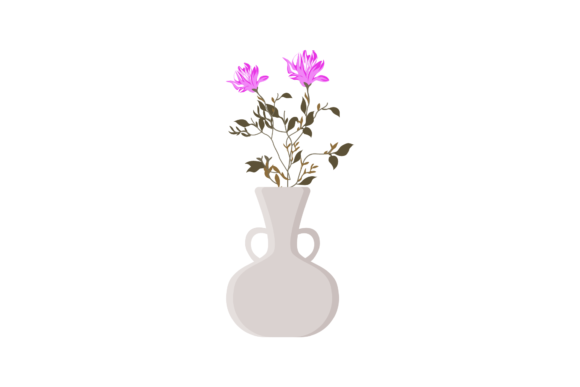
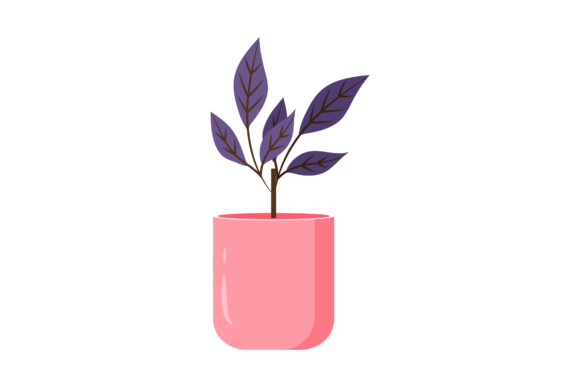
Decorative Plant Icon Design refers to the creation of stylized visual representations of plants, flowers, and botanical elements used primarily for decorative purposes. These icons are often simplified or abstracted to serve as design elements in various digital and print media. Whether you're working on branding materials, website interfaces, or graphic illustrations, a well-crafted Decorative Plant Icon can add visual interest and thematic coherence to your project.
Designers, illustrators, and creative professionals frequently seek out Decorative Plant Icon Design to enhance their work with natural motifs that are both aesthetically pleasing and adaptable. The appeal of such designs lies in their ability to convey organic themes while remaining scalable and easy to integrate into different formats and platforms.
Why Consider Decorative Plant Icon Design?
If you're exploring options for incorporating nature-inspired visuals into your design projects, Decorative Plant Icon Design may be an excellent choice. These icons are particularly useful when aiming to create a calming, fresh, or eco-friendly aesthetic. They are commonly used in wellness-related branding, interior design applications, and even in user interface (UI) design where subtle background elements contribute to a more engaging experience.
One major advantage of Decorative Plant Icon Design is its versatility. Unlike detailed botanical illustrations, these icons are typically simplified, allowing them to be used effectively at various sizes without losing clarity. This makes them suitable for everything from mobile app buttons to large-format posters.
Benefits and Tradeoffs
The primary benefit of using Decorative Plant Icon Design is the ease of integration into a wide range of design contexts. With multiple file formats available—such as AI, EPS, SVG, JPG, and PNG—these icons can be easily edited and adapted to suit specific needs. Their high-resolution canvas size (1920px X 1280px) ensures that they remain sharp and clear even when scaled up for print or display on larger screens.
However, it's important to consider the level of detail required for your project. While Decorative Plant Icons offer a clean and stylized approach, they may not be appropriate for situations requiring highly accurate botanical representation. If your goal is to showcase real plant species or require intricate details, alternative design approaches may be more suitable.
Situations Where Decorative Plant Icon Design Fits Well
Decorative Plant Icon Design is best suited for projects that prioritize aesthetics over technical accuracy. It works particularly well in the following scenarios:
- Branding and Marketing Materials: Use these icons to create a cohesive and nature-themed brand identity, especially in industries like wellness, sustainability, or eco-friendly products.
- UI/UX Design: Incorporate them as background elements or interactive components in web and mobile interfaces to evoke a sense of calm and harmony.
- Print and Packaging Design: Add a touch of natural beauty to product packaging or promotional materials without overwhelming the overall design.
- Interior Design Applications: Use them in digital mockups or virtual spaces to simulate botanical elements within a room or environment.
When to Consider Alternatives
While Decorative Plant Icon Design offers numerous advantages, there are instances where other design solutions might be more appropriate. For example, if your project requires photorealistic plant imagery or precise botanical illustration, a stock photo or detailed vector illustration would be better choices. Additionally, if your design needs to maintain a minimalist aesthetic, overly stylized icons could detract from the intended simplicity.
Another consideration is the complexity of the design. If your project involves intricate patterns or layered compositions, you may need to evaluate whether a Decorative Plant Icon will complement the overall look or compete with other design elements.
Practical Insights for Choosing Decorative Plant Icon Design
Before deciding to use Decorative Plant Icon Design, it's essential to define your project goals clearly. Ask yourself: What message am I trying to convey? Does the inclusion of a plant icon align with the overall theme and tone of the project? How will this element interact with other design components?
Additionally, consider the format requirements of your project. Since these icons come in multiple editable formats, ensure that the chosen file type is compatible with your design software and workflow. If you're planning to use the icon in both digital and print formats, verify that the resolution and color profile are suitable for both mediums.
Lastly, think about scalability and adaptability. A good Decorative Plant Icon should remain visually appealing across different sizes and backgrounds. Test the icon in various contexts to ensure it performs well under different conditions before finalizing its use in your project.
By carefully evaluating your needs and considering the strengths and limitations of Decorative Plant Icon Design, you can make an informed decision that enhances the quality and effectiveness of your creative work.