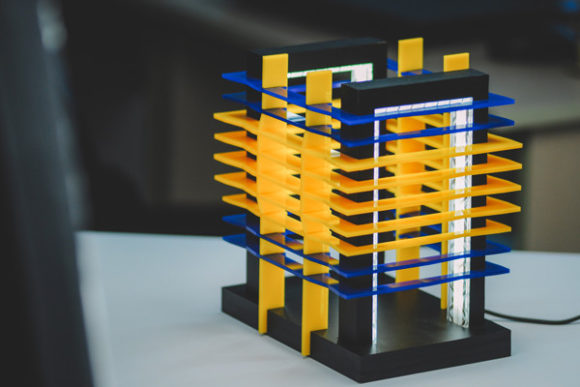
Modern-style Decorative Lapm: Elevate Your Visual Design
In the crowded landscape of digital content, Modern-style Decorative Lapm offers a sophisticated solution for designers seeking to blend aesthetic appeal with functional clarity. This emerging design element serves as more than just a visual flourish; it acts as a strategic tool that bridges the gap between traditional craftsmanship and contemporary digital requirements.
For professionals in graphic design, branding, and creative direction, understanding how to integrate these assets can significantly enhance the overall quality of a project. Whether you are refining a brand identity or crafting a compelling social media campaign, the right decorative elements provide the necessary texture and depth that flat designs often lack.
The Strategic Value of Modern Aesthetics
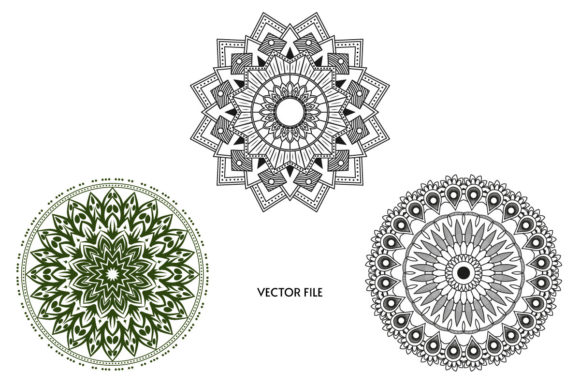
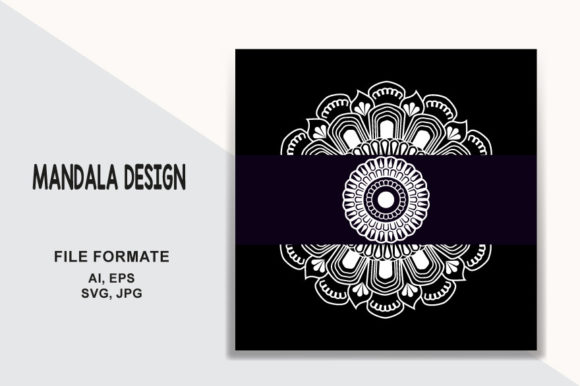
At its core, modern decorative design focuses on clean lines, balanced composition, and purposeful ornamentation. Unlike cluttered patterns from previous eras, this style emphasizes negative space and visual hierarchy to guide the viewer's eye naturally. When applied correctly, Modern-style Decorative Lapm transforms a generic layout into a polished, professional presentation that commands attention.
This approach is particularly vital in an era where user experience (UX) and visual communication go hand in hand. A well-integrated decorative element does not distract from the message; instead, it reinforces it by creating a cohesive atmosphere. It helps establish a distinct mood, whether that is minimalist and corporate or vibrant and playful, ensuring that your visual design aligns perfectly with your audience expectations.
Transforming Brand Identity and Logo Design
One of the most impactful applications of these design assets lies in branding and logo design. A unique decorative motif can become the signature of a brand, adding memorability without compromising scalability. When developing a brand identity, incorporating subtle lapm-style details allows for differentiation in a saturated market.
Consider how these elements function within a logo system:
- Scalability: Ensure the decorative features remain clear at both small favicon sizes and large billboard dimensions.
- Versatility: The asset should work effectively across monochrome and full-color variations of your color palette.
- Consistency: Maintain a unified look across all touchpoints, from business cards to digital marketing materials.
Practical Applications Across Creative Projects
The utility of modern decorative elements extends far beyond static logos. They are versatile components that can elevate various aspects of your design workflow, enhancing everything from editorial layouts to interactive web interfaces.
Digital Marketing and Social Media Graphics
In the fast-paced world of digital marketing, capturing attention within seconds is crucial. Modern-style Decorative Lapm can be used to frame content, highlight key statistics, or separate sections in long-form posts. By introducing texture and structure, these assets improve readability and keep users engaged longer. For social media graphics, they add a layer of professionalism that distinguishes premium brands from casual competitors.
Web Design, UI Design, and UX Design
When designing websites or user interfaces, visual hierarchy is paramount. Decorative lapm elements can serve as dividers, background textures, or accents around call-to-action buttons. They help break up large blocks of text and guide the user through a narrative flow. In UI design, subtle animations applied to these assets can create a sense of interactivity and delight, improving the overall user experience without overwhelming the interface.
Packaging Design and Print Media
Even in physical formats like packaging design and print design, these elements shine. They add tactile appeal to brochures, business cards, and product labels. A well-placed decorative motif can make a package feel luxurious or a magazine cover feel dynamic. The key is to ensure that the typography remains legible and that the decorative elements support, rather than compete with, the primary information.
Selecting and Implementing Design Assets Effectively
To get the most out of modern decorative resources, designers must evaluate them based on specific criteria. Not every asset fits every project, and blind application can lead to visual clutter. Start by assessing the compatibility of the asset with your existing brand systems. Does the style match the tone? Is the complexity level appropriate for the medium?
Additionally, consider the technical aspects of your creative projects. Are the files vector-based for maximum flexibility? Do the colors adhere to your accessibility standards? When integrating typography and imagery, ensure that the decorative lapm complements the font choices and image styles. A mismatch in weight or style can disrupt the visual harmony of the entire composition.
Finally, always test your designs in real-world scenarios. View your work on different devices, print samples, and gather feedback. This iterative process ensures that the final output delivers the intended impact and maintains high standards of quality.
Ultimately, the decision to incorporate Modern-style Decorative Lapm into your work is about making thoughtful design choices that respect both the viewer and the message. By leveraging high-quality creative assets with intention, you not only elevate the aesthetics of your projects but also strengthen the effectiveness of your communication. In a world filled with noise, a refined and purposeful design stands out, leaving a lasting impression on your audience.