The Geometric Elegance of Mandala Art Decorative Style in Modern Design
Understanding the Core Elements of Mandala Art Decorative Style
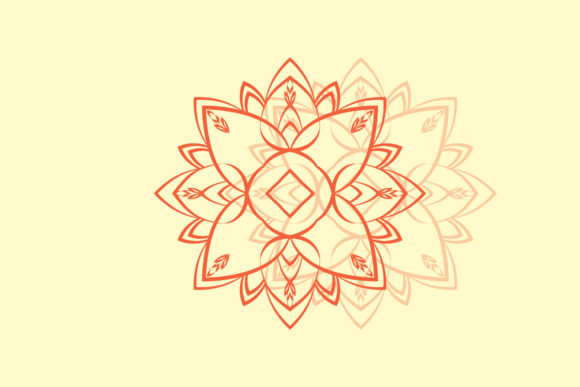
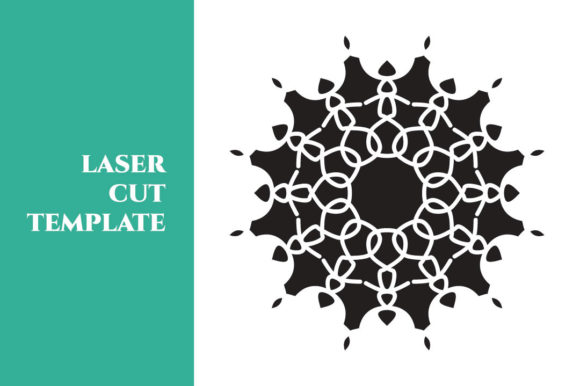
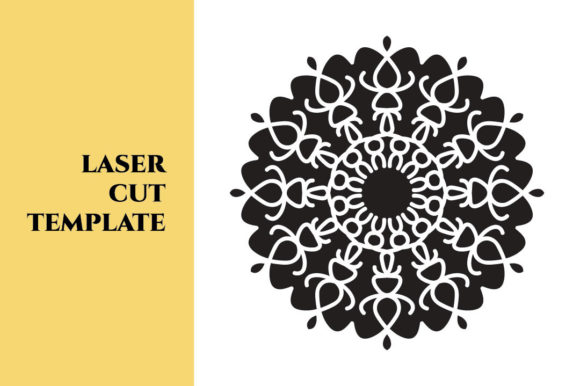
Mandala art decorative style is a powerful visual language rooted in ancient spiritual traditions, yet it has found its place in contemporary design with remarkable adaptability. At its core, this style is defined by intricate geometric patterns that radiate symmetry and balance. These designs are not only visually captivating but also deeply symbolic, representing unity, harmony, and the interconnectedness of all things.
When applied to modern design contexts, mandala art offers a unique blend of tradition and innovation. The use of geometric patterns allows for versatility, enabling designers to incorporate these elements into everything from digital illustrations to physical decor. This makes mandala art an excellent choice for those looking to infuse their work with cultural depth while maintaining aesthetic appeal.
Key Characteristics of Mandala Art Decorative Style
- Symmetry: Central to mandala art is the concept of radial symmetry, which creates a sense of order and focus.
- Geometric Precision: The use of precise shapes and angles ensures that each pattern is both mathematically accurate and visually engaging.
- Repetition and Layering: Patterns often build upon themselves, creating layers of complexity that invite closer inspection.
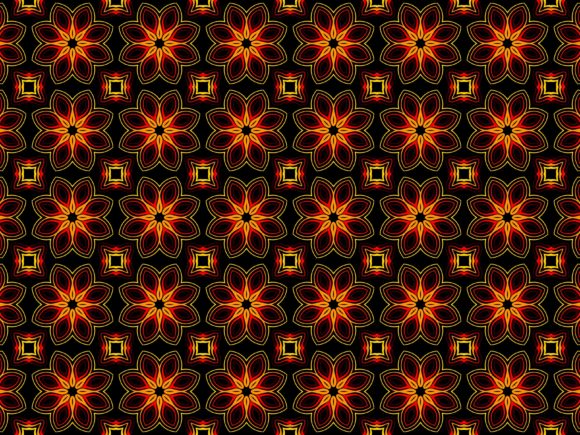
- Color Harmony: While traditional mandalas use muted earth tones, modern interpretations frequently employ vibrant color palettes to enhance visual impact.
Exploring Premium Mandala Designs and Their Applications
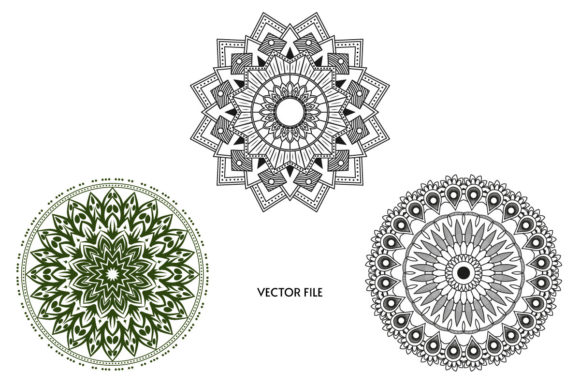
In today’s design landscape, there is a growing demand for high-quality mandala art that can be used across various platforms. Three premium mandala design options stand out for their versatility and quality: EPS files, JPEG images, and Adobe Illustrator CC versions. Each format serves a specific purpose and caters to different needs within the creative industry.
EPS Files: These vector-based files are ideal for print and scalable graphic design projects. They maintain clarity at any size, making them perfect for large-format prints or intricate details in publications.
JPEG Images: For digital use, such as websites or social media content, JPEGs provide high-resolution images that retain detail while being optimized for web performance. They are especially useful when working with raster-based software or online platforms that require image uploads.
Adobe Illustrator CC Versions: As a vector graphics editor, Adobe Illustrator CC allows for full customization of mandala designs. This format is favored by professionals who need to modify colors, add text, or integrate other design elements seamlessly.
Use Cases Across Industries
- Interior Design: Mandala art is increasingly used in home decor, from wall murals to textile patterns, offering a calming and artistic ambiance.
- Graphic Design: Brands use mandala motifs in logos, packaging, and marketing materials to convey creativity and mindfulness.
- Education: Educators incorporate mandala art into lessons on geometry, symmetry, and cultural studies, providing hands-on learning experiences.
- Therapeutic Practices: In wellness and meditation spaces, mandala art is employed to promote relaxation and mental clarity.
Practical Considerations for Using Mandala Art Decorative Style
While mandala art is aesthetically pleasing, there are several practical considerations that should be taken into account when using it in design projects. One of the most important factors is understanding the intended audience and context. A mandala pattern may appear too intricate for a minimalist website but could be perfectly suited for a yoga studio or wellness center.
Another consideration is the file format. Choosing the right format based on the project's requirements is crucial. For example, if you're designing a logo that will be used on both digital and print media, an EPS file would be more appropriate than a JPEG.
Additionally, licensing and copyright should not be overlooked. When using pre-made mandala designs, it's essential to ensure that they are royalty-free or properly licensed for commercial use. This helps avoid legal complications and ensures that your design work remains compliant with intellectual property laws.
Tips for Creating Your Own Mandala Art
- Start with a Central Point: Begin by drawing a central circle or shape around which the rest of the design will radiate.
- Use Symmetry Tools: Many design software programs offer tools that help create symmetrical patterns, reducing the time needed to manually draw each element.
- Experiment with Layers: Building up your design in layers allows for greater control over complexity and composition.
- Explore Color Theory: Understanding how colors interact can greatly enhance the visual appeal of your mandala art.
The Future of Mandala Art in Design
The future of mandala art decorative style looks promising, with continued evolution in both traditional and digital forms. As technology advances, so does the potential for integrating mandala patterns into new mediums. From augmented reality applications to interactive installations, the possibilities are endless.
Moreover, the increasing interest in mindfulness and holistic living has contributed to the popularity of mandala art. As people seek ways to bring peace and beauty into their environments, mandala designs are becoming a go-to choice for both personal and professional spaces.
As the design world continues to embrace diversity and cultural richness, mandala art is poised to remain a relevant and influential style. Whether used in fashion, architecture, or digital media, its geometric elegance and symbolic depth make it a timeless addition to any creative endeavor.