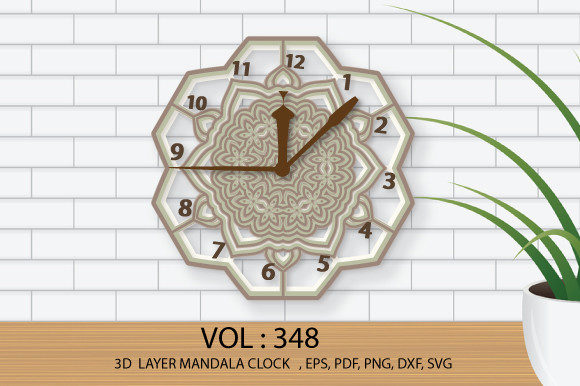
3D Decorative Multilayer Mandala Clock
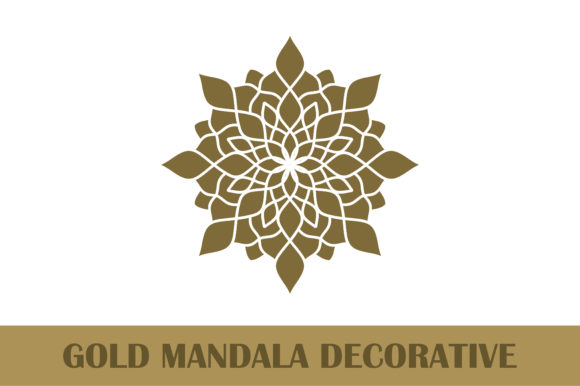
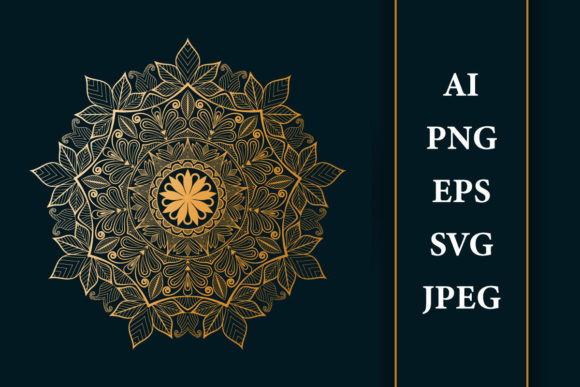
If you are looking to transform a plain wall into a statement piece, the 3D Decorative Multilayer Mandala Clock offers an extraordinary solution that blends art with functionality. This isn't just a timepiece; it is a golden olive mandala illustration designed to bring depth, luxury, and modern style to any space. The intricate layers create a stunning visual effect that changes as light hits different angles, making it a focal point for living rooms, offices, or creative studios. However, while the final result is gorgeous and stylish, the path to achieving that perfection involves understanding how these files work and what pitfalls to avoid during the design process.
Many creators jump straight into cutting or printing without considering the technical nuances of multilayer designs. When you acquire this product, you aren't just getting a picture; you are receiving a toolkit for customization. The package includes one DXF file, one PDF, one PNG, one EPS, and one SVG. Each format serves a specific purpose, and misunderstanding their roles can lead to wasted material or a project that lacks the intended 3D depth. Let's explore how to get the most out of this colorful, luxurious design while steering clear of common errors.
Understanding the Value of Multiple File Formats
The inclusion of five distinct file formats in this download is a significant advantage, but it often leads to confusion if you do not know which tool to use for each task. A common mistake is attempting to cut a complex 3D design using only the PNG or PDF file. These formats are excellent for viewing or basic printing, but they lack the vector data required for precision laser cutting or CNC routing.
If you try to trace a raster image like a PNG directly onto your machine software, you risk losing the crisp edges necessary for the layers to fit together seamlessly. Instead, rely on the DXF or SVG files for your cutting machines. These vector formats ensure that every curve of the golden olive mandala is mathematically precise. Use the EPS file if you need to edit the design in professional graphic software like Adobe Illustrator before sending it to production. The PNG is best reserved for quick previews or digital mockups, allowing you to visualize the color scheme before committing to physical materials.
Avoiding Mistakes in Layer Assembly
The "multilayer" aspect of this clock is its defining feature, yet it is also where many beginners struggle. The design relies on varying shapes and colors to create the illusion of depth. If you treat all layers as a single flat object, you will lose the 3D effect entirely. A frequent error is failing to account for the thickness of your material when stacking the layers.
p>When assembling the clock, you must ensure that the inner layers are slightly smaller than the outer ones to maintain the structural integrity and the visual hierarchy. If the layers are perfectly aligned without any offset, the clock may look flat rather than dimensional. Furthermore, ignoring the weight distribution can cause the clock to hang unevenly on the wall. To prevent this, test your assembly with scrap pieces first. Cut out a few layers from your chosen material and stack them to see how they interact. This simple step saves you from ruining expensive wood, acrylic, or metal sheets later on.Selecting the Right Materials for a Luxurious Look
To achieve the "gorgeous and luxurious" aesthetic described, the choice of material is critical. The design features a golden olive theme, which suggests warm, rich tones. However, some users make the mistake of choosing materials that clash with the intended vibe. For instance, using a dull, matte black plastic might obscure the intricate details of the mandala, making it look muddy rather than elegant.
Consider using high-quality acrylics, polished woods, or metallic foils that reflect light well. The interplay of light on the multiple layers is what makes this clock stand out. If you are a small business owner or freelancer creating custom decor, investing in premium materials ensures your clients receive a product that feels worth the price. Conversely, using low-grade materials can make a sophisticated design appear cheap, regardless of how well you assemble it. Always check the grain direction of wood or the gloss level of plastics to ensure they complement the golden olive palette.
Common Pitfalls in Digital Preparation
Even with perfect files, errors can occur during the digital preparation phase. One overlooked detail is the scale of the design. It is easy to open a file at the default size, which might be too small for a large wall or too large for a compact desk. Before cutting, always verify the dimensions against your available wall space. Another common issue is forgetting to set the correct kerf width on your laser cutter. The kerf is the amount of material removed by the laser beam; if you don't compensate for this, your layers might not sit flush, leading to gaps that ruin the 3D effect.
Additionally, be mindful of the color separation. Since the design comes in various colors, ensure your cutting software recognizes the different layers correctly. Sometimes, color coding in the source file gets lost during conversion. Take the time to manually assign colors to layers in your software to match your physical materials. This proactive approach prevents the frustration of cutting the wrong color for a specific layer, which would otherwise require starting over.
Maximizing Versatility for Any Purpose
The beauty of this 3D Decorative Multilayer Mandala Clock lies in its versatility. You can use this product for any purpose, whether it is for personal home decor, a gift for a loved one, or a unique addition to a commercial space like a boutique hotel or a yoga studio. However, to truly maximize its potential, think beyond just hanging it on the wall. Consider integrating it into a larger installation or using it as a backdrop for photography.
For educators or bloggers, this design can serve as a visual aid for teaching about geometry, symmetry, or cultural art forms. Entrepreneurs can leverage the design to create branded merchandise or interior accents for their offices. The key is to adapt the design to your specific needs without compromising its core aesthetic. Whether you are a hobbyist experimenting with new techniques or a professional delivering a high-end finish, the flexibility of the provided file formats empowers you to innovate.
Final Checklist for Success
Before you begin your project, take a moment to review your plan. Ensure you have the correct software installed to handle DXF, SVG, and EPS files. Verify that your cutting machine is calibrated and ready for the material thickness you intend to use. Check your material stock for defects that could affect the final appearance. Finally, remember that patience pays off. Rushing the assembly process can lead to misaligned layers, while taking the time to align each piece carefully results in a masterpiece.
By avoiding these common mistakes and following a structured approach, you can unlock the full potential of this extraordinary design. The combination of the golden olive mandala, the multilayered structure, and the variety of file formats provides everything you need to create something truly special. Whether you are aiming for a modern, stylish look or a luxurious, timeless piece, this clock design offers a robust foundation for your creativity. Embrace the process, learn from the details, and enjoy the satisfaction of bringing this vibrant, 3D artwork to life.