Stone Gravel Decorative Rock Build Stuff Guide
If you have ever looked at a high-quality landscape design or a realistic 3D scene and wondered how the creator achieved such authentic texture, the answer often lies in specialized assets like Stone Gravel Decorative Rock Build Stuff. This concept goes far beyond simple rocks found on a garden path. It represents a curated collection of granular materials designed to add depth, realism, and structural integrity to both physical projects and digital creations. Whether you are a hobbyist looking to enhance a miniature model or a professional designer rendering a mountain range, understanding this material is key to elevating your work.
What Makes This Material Unique?
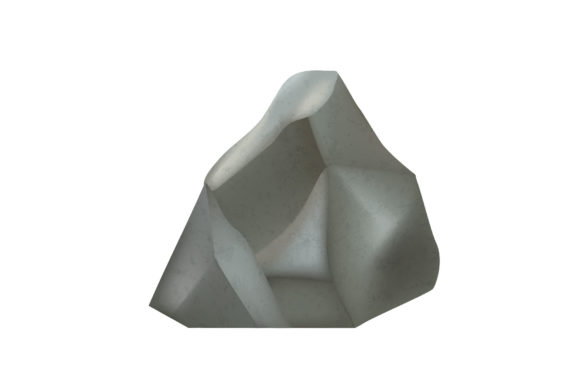
At its core, Stone Gravel Decorative Rock Build Stuff refers to the specific combination of size, color, and geological composition that mimics natural stony environments. Unlike generic filler, these assets are characterized by their detailed representation of hard surf rock and granite stone. The visual appeal comes from the interplay of light and shadow across irregular surfaces, creating a sense of weight and permanence. When described as a "Hard Part Of Surf Rock Mountain," it implies a rugged, weathered aesthetic that has been shaped by natural forces over time.
The value of this material lies in its versatility. In the real world, gravel is essential for drainage, stability, and aesthetic landscaping. In the digital realm, represented through formats like JPG and EPS, it serves as a foundational element for texture mapping and vector illustration. The inclusion of "Colorful Concept Layout" suggests that these stones are not limited to dull greys; they can feature vibrant mineral hues that add artistic flair while maintaining geological accuracy. This blend of realism and creativity makes it an indispensable tool for anyone aiming to build something substantial.
Why Professionals Choose Granite and Surf Rock Textures
When working on large-scale projects, the choice of material matters immensely. Granite stone is renowned for its durability and distinct crystalline structure, making it a favorite for architectural renderings and durable outdoor designs. Similarly, the "Stony Geology Mineral Rocky Material" aspect ensures that the texture feels authentic rather than like a flat image pasted onto a surface. For creators using 3D software, having access to realistic 3D illustrations of these elements allows for dynamic lighting effects that react naturally to virtual suns and spotlights.
This level of detail supports a wide range of goals. An entrepreneur might use these visuals to market a new construction company, showcasing the quality of their raw materials. A blogger writing about geology can use the images to explain complex mineral concepts to readers without needing expensive field photography. Even educators can utilize these assets to create engaging lesson plans about earth sciences, helping students visualize the difference between sedimentary layers and igneous formations.
Practical Applications Across Industries
The utility of Stone Gravel Decorative Rock Build Stuff extends into numerous sectors, each leveraging the material's unique properties to solve specific problems. Below are some realistic scenarios where this asset proves invaluable:
- Digital Art and Game Design: Developers need realistic ground textures to make virtual worlds feel immersive. Using high-resolution JPG files of granite and surf rock allows artists to create believable terrain for adventure games or simulation software without manually sculpting every pebble.
- Marketing and Branding: Small business owners often need imagery that conveys strength and reliability. A logo or brochure featuring a layout of colorful, rocky minerals can subtly communicate stability and long-term value to potential clients.
- Landscape Architecture: Before breaking ground, architects use vector files (EPS) to plan out hardscaping. Understanding the scale and color variation of decorative rock helps in designing walkways, retaining walls, and garden borders that complement the surrounding environment.
- Educational Content: Teachers can use the "Realistic 3D Illustration" aspect to demonstrate erosion patterns or mineral composition in a classroom setting, making abstract geological concepts tangible for students aged 20 to 50 who are studying earth sciences.
Bridging Physical and Digital Worlds
One of the most exciting aspects of this topic is the bridge it creates between physical reality and digital representation. The Stone Gravel Decorative Rock Build Stuff Vector allows users to manipulate the shape and arrangement of rocks without the mess or cost of moving actual stones. You can experiment with different layouts, testing how a pile of granite looks against a blue sky or how surf rock fits into a coastal scene, all within a safe, editable file format.
For freelancers and creators, this flexibility translates directly into efficiency. Instead of sourcing photos of rocks for every single project, having a library of these assets means you can quickly assemble a scene that meets the client's vision. The ability to switch between raster (JPG) and vector (EPS) formats ensures that whether you are printing a massive billboard or displaying a thumbnail on a website, the quality remains crisp and professional.
Key Considerations Before You Start
While the potential of Stone Gravel Decorative Rock Build Stuff is vast, there are important factors to consider before integrating these materials into your workflow. First, understand the scale. A texture that looks perfect on a screen might look unnatural if applied to a life-sized model without adjusting the grain size relative to the other objects. Always compare the rock dimensions to familiar objects to ensure proportionality.
Secondly, pay attention to the color palette. The "Colorful Concept" mentioned in the description suggests variety, but too much saturation can make a scene look artificial. Aim for a balance where the colors enhance the mood without distracting from the main subject. If you are using these assets for a serious geological study, prioritize accuracy over vibrancy. Conversely, for a creative project, you might embrace the bold hues to create a stylized, artistic effect.
Finally, consider the technical requirements of your chosen format. While JPGs are excellent for quick previews and web use due to their smaller file sizes, EPS files are superior for editing and scaling. If you plan to cut physical shapes from the design later, the vector format is essential. Ensure your software can handle the resolution and layer complexity of the realistic 3D illustrations you intend to use.
Making the Most of Your Resources
To truly benefit from these assets, treat them as building blocks rather than finished products. Experiment with combining the rough texture of granite with smoother elements to create contrast. Use the "Hard Part Of Surf Rock Mountain" concept to anchor your compositions, giving them a sense of history and endurance. Whether you are a beginner learning the basics of design or a seasoned pro refining a portfolio, the right selection of stone and gravel can transform a flat idea into a compelling narrative.
By focusing on the practical applications and the inherent qualities of the material, you can unlock new possibilities in your creative journey. The world of stone gravel is rich with opportunity, waiting for those willing to explore its textures, colors, and structural potential. With the right approach, Stone Gravel Decorative Rock Build Stuff becomes more than just a visual element; it becomes the foundation upon which great ideas are built.