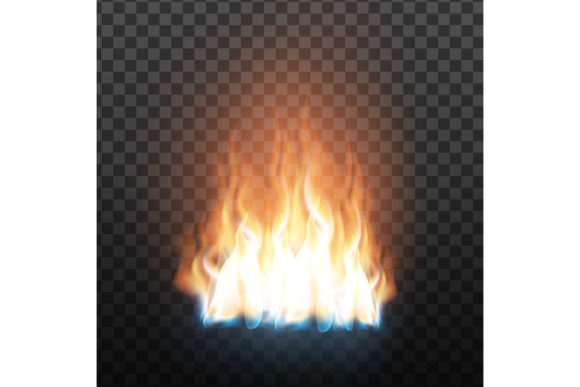
Realistic Decorative Flammable Fire
We have all seen it. A marketing campaign that feels flat, a presentation that fails to hold attention, or a social media post that gets scrolled past without a second glance. In the digital world, where seconds count and attention is scarce, visual impact is everything. This is where Realistic Decorative Flammable Fire steps in as more than just a pretty picture; it becomes a tool for capturing eyes and driving engagement. It is not about creating actual danger or promoting hazardous behavior. Instead, it is about leveraging the primal human fascination with heat, light, and movement to enhance digital storytelling.
Imagine you are designing a poster for a summer music festival. The concept is high energy, intense, and passionate. Static images of people dancing often feel disconnected from that feeling. However, overlaying subtle, realistic flames around the edges or using a fireball effect on a key element instantly communicates "heat" and "energy." This specific type of asset—often available as vector graphics, animated overlays, or 3D illustrations—is designed to be integrated seamlessly into your workflow. Whether you need a static JPG for print or an EPS file for scalable design work, these resources provide the texture and glow necessary to elevate a project from ordinary to extraordinary.
Why Visual Heat Matters in Digital Design
The human brain processes images of fire differently than other objects. We are evolutionarily wired to notice it because it represents both warmth and potential danger. When used correctly in design, this instinctual reaction translates into immediate visual interest. Realistic Decorative Flammable Fire assets utilize glowing particles, dynamic brush strokes, and transparent grids to create depth. Unlike simple clip art that looks cartoonish, these modern assets often feature animation heat overlays that simulate the flicker and rise of real flames.
For entrepreneurs and small business owners, this distinction is crucial. If you are selling a spicy food product, a hot sauce brand, or even a fitness program focused on "burning calories," generic icons might not convey the intensity required. A high-quality 3D illustration of a fireball effect on a transparency grid background allows you to place the fire exactly where it needs to be without disrupting the underlying layout. It creates a sense of motion even in a static image, making your content feel alive.
Practical Applications Across Industries
The versatility of these assets extends far beyond just graphic designers. Let's look at how different professionals actually use Realistic Decorative Flammable Fire in their daily workflows.
- Content Creators and Bloggers: Imagine you are writing a blog post about extreme sports, winter survival gear (where fire is essential), or a review of a new gaming console with "high-performance cooling." Adding a realistic flame overlay to your featured image can increase the click-through rate. You aren't faking the content; you are visually signaling the theme. Animations with burning fire effects can also be used as short video loops for Instagram Stories or TikTok backgrounds, adding a layer of production value that usually requires expensive software.
- Educators and Presenters: Teachers and trainers often struggle to keep adult learners engaged during long sessions. Slides filled with text are a recipe for boredom. Incorporating a subtle fire animation or a vector graphic of a flame next to a section titled "Critical Risks" or "High Energy Solutions" draws the eye immediately. It acts as a visual anchor, helping the audience distinguish between standard information and key takeaways.
- Marketers and Advertisers: In the world of pay-per-click ads, the difference between a green button and a red one is significant, but the difference between a static red button and one with a glowing, fiery pulse is massive. Using these assets for promotional materials, event invitations, or seasonal campaigns (like Halloween or Independence Day) provides a professional polish. The ability to export formats like JPG and EPS means you can scale a banner ad for a website header or shrink it down for a mobile notification without losing quality.
- Hobbyists and Gamers: For those who stream games or edit fan videos, these assets are gold. A streamer might use a "Burning Fire With Glowing Particles" effect to highlight when they achieve a difficult goal in a game. It adds a cinematic flair to the broadcast, making the viewer feel part of the action. Hobbyist photographers editing landscapes might add a stylized fire element to a sunset photo to create a surreal, artistic piece.
Understanding the Technical Advantages
One of the most practical reasons to choose these specific assets over others lies in their technical format. The availability of EPS files is a game-changer for anyone working with print media. Vector graphics allow you to resize a fire illustration from a business card to a billboard without any pixelation. This scalability ensures that whether you are printing a flyer for a local coffee shop or a large-scale banner for a trade show, the flames look crisp and sharp.
Similarly, the JPG format offers compatibility across almost every platform. When you need to quickly upload a hero image to a WordPress site or a Facebook page, a compressed JPG with a transparent background (if saved appropriately) or a clean composition works instantly. The inclusion of a transparency grid background in the source files is particularly helpful for editors. It allows you to see exactly where the fire ends and the negative space begins, making compositing much easier and faster.
What to Consider Before You Use Fire Assets
While the visual impact is undeniable, there are responsible considerations to keep in mind. The term "Flammable" in the title refers to the subject matter of the art, not a safety hazard for your computer or workspace. However, using fire imagery does require a degree of context awareness. Overusing fire effects can make a design feel chaotic or aggressive. If you are building a brand for a healthcare provider or a financial advisor, constant fire imagery might subconsciously signal risk or instability rather than growth and vitality.
Instead, think of these assets as spices. A little bit of heat enhances the flavor; too much ruins the dish. The best results come from strategic placement. For example, using a Burning Fire With Glowing Particles effect to frame a headline is effective. Using it as a background for a wall of text will likely make the content unreadable and cause user fatigue.
Additionally, consider the emotional tone you want to set. Fire can represent destruction, but it can also represent passion, innovation, and transformation. When downloading or purchasing these resources, look for variations that match your narrative. Do you need a gentle, warm glow for a cozy winter scene, or a fierce, intense explosion for a sports highlight? The 3D Illustration aspect of modern assets gives you control over lighting and perspective, allowing you to fine-tune the mood to fit your specific audience.
Making the Most of Your Creative Toolkit
Ultimately, tools like Realistic Decorative Flammable Fire are about solving problems. They solve the problem of boring visuals, lack of direction, and low engagement. By understanding how to integrate these elements into your projects, you move from simply assembling images to crafting experiences. Whether you are a freelancer trying to land a client with a killer portfolio, a blogger trying to grow your readership, or a business owner launching a new product, having access to high-quality, versatile fire assets puts you ahead of the curve.
Don't let your ideas get lost in a sea of static content. Harness the power of visual heat. Explore the different formats, experiment with the animations, and find the perfect balance between realism and decoration. When done right, the result is not just a design; it is a connection with your audience that feels immediate, powerful, and unforgettable.