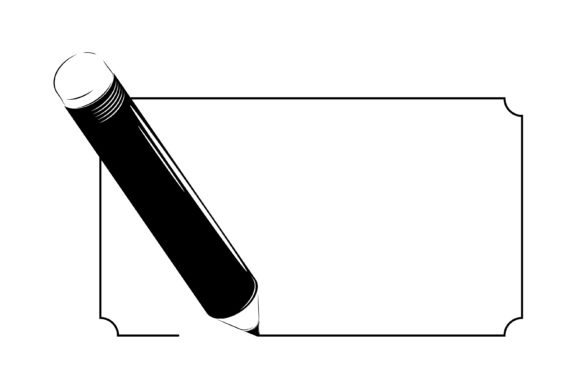
Pencil Draws Decorative Frame in Line: A Practical Evaluation
In the crowded landscape of digital design assets, finding a resource that balances artistic authenticity with technical precision is often a challenge. The pencil draws decorative frame in line concept addresses this specific need by offering a visual language that feels handcrafted yet remains perfectly structured for modern applications. This approach combines the organic warmth of traditional sketching with the clean utility of vector graphics, creating a versatile tool for creators who want to elevate their projects without sacrificing professionalism.
The core appeal lies in the pencil draws decorative frame in one line variation, where a single continuous stroke defines an intricate border. This technique mimics the fluidity of a skilled artist's hand while maintaining the scalability required for responsive web design and high-resolution print media. For professionals ranging from freelance marketers to small business owners, these assets provide a distinct aesthetic that stands out against the sterile, overused geometric templates prevalent in current design trends.
Understanding the Core Characteristics
A pencil draws decorative frame in line asset is defined by its monochromatic contrast and linear simplicity. Typically rendered as a vector on a white background, these frames offer maximum flexibility regarding color application and placement. The "one line" aspect refers to the continuity of the stroke, which creates a sense of flow and movement that rigid, segmented borders cannot achieve.
Key characteristics include:
- Vector Scalability: Because these are vector-based, they can be resized from a tiny social media icon to a full-page banner without any loss of quality or pixelation.
- Monochrome Contrast: The stark black-and-white palette ensures that the frame does not compete with the primary content. It acts as a subtle container rather than a distraction.
- Organic Irregularity: Unlike perfect mathematical shapes, the pencil style introduces slight variations in line weight and curvature, adding a human touch that resonates with audiences seeking authenticity.
- Clean Backgrounds: The isolation on a white background allows for seamless integration into various layouts, whether used as a standalone element or overlaid on textured surfaces.
Practical Value in Professional Workflows
For entrepreneurs and educators, the practical value of this design element extends beyond mere decoration. In a world where attention spans are short, a well-placed pencil draws decorative frame in line can guide the viewer's eye and establish a hierarchy of information. It signals that the content within is curated and thoughtful, which is particularly effective for blog posts, educational materials, and product showcases.
The pencil draws decorative frame in one line variation is especially useful for branding purposes. When applied consistently across a website or marketing collateral, it creates a recognizable visual signature. This consistency builds trust and familiarity among your audience. Furthermore, because the design is minimal, it adheres to modern usability standards by avoiding clutter, ensuring that the user experience remains smooth and focused.
Evaluating Quality and Usability
When assessing design resources, reliability and consistency are paramount. High-quality implementations of the pencil draws decorative frame in line feature smooth paths and optimized anchor points, making them easy to edit in standard software like Adobe Illustrator, Figma, or Affinity Designer. Users should expect to modify line thickness, adjust curves, or even break the continuity to fit specific layout needs without encountering jagged edges or distorted geometry.
Usability is another critical factor. These frames are designed to be intuitive. They do not require complex masking techniques or advanced layer management to look good. A designer can drag and drop the asset onto a canvas and immediately see how it interacts with typography and imagery. This efficiency translates directly to time savings, allowing professionals to focus more on strategy and content creation rather than wrestling with technical constraints.
However, it is important to note potential limitations. While the "one line" style is elegant, it may not suit every context. Projects requiring heavy ornamentation, bold colors, or thick structural elements might find these frames too delicate. Additionally, if the resolution is not properly managed during export, the fine lines could appear blurry on low-density screens. Ensuring that the source file is a true vector is essential for maintaining sharpness across all devices.
Real-World Application Scenarios
To understand the true potential of these assets, consider how they function in different professional environments:
- Digital Publishing and Blogging: Bloggers can use a pencil draws decorative frame in line to highlight quotes or separate sections of long-form articles. The organic feel complements written content, making the reading experience more engaging and less monotonous.
- Small Business Branding: Coffee shops, boutiques, and creative agencies often rely on a personal touch. Using these frames on menus, business cards, or packaging can convey a sense of craftsmanship and care that mass-produced designs lack.
- Marketing Campaigns: Marketers can utilize the pencil draws decorative frame in one line style in email newsletters or social media ads to draw attention to calls-to-action. The contrast helps the message pop without overwhelming the reader.
- Educational Materials: Teachers and course creators can use these frames to structure lesson plans, worksheets, or presentation slides. The clean lines help organize information logically, aiding student comprehension.
Long-Term Value and Adaptability
The longevity of a design asset depends on its adaptability. The pencil draws decorative frame in line concept is timeless because it avoids fleeting trends. While specific styles may come and go, the combination of hand-drawn aesthetics and vector precision remains relevant. This makes it a sound investment for anyone looking to build a library of reusable resources.
Flexibility is also a key strength. These frames can be used in grayscale, filled with solid colors, or overlaid with gradients to match seasonal themes or brand updates. The ability to recolor or tint the vector path means that a single purchase or download can serve multiple campaigns over years. For freelancers managing multiple clients, this versatility is invaluable, as it allows for rapid customization without starting from scratch each time.
Who Benefits Most?
This type of design asset is particularly beneficial for:
- Freelance Designers: Who need high-quality, customizable elements to speed up their delivery times while maintaining a premium look.
- Content Creators: Including YouTubers and podcasters who need consistent thumbnails and channel art that looks professional yet approachable.
- Entrepreneurs: Who are building brands from the ground up and need to establish a unique visual identity without hiring a full-time design team.
- Educators: Who want to create visually appealing learning materials that capture student interest.
While the benefits are clear, users should approach these resources with realistic expectations. They are tools to enhance existing work, not magic solutions that will fix poor content or weak strategy. The pencil draws decorative frame in line works best when paired with strong typography and meaningful imagery. It serves as a foundation upon which to build, not the entire structure itself.
Final Observations on Effectiveness
In conclusion, the pencil draws decorative frame in line offers a compelling solution for designers and creators seeking to inject personality into their digital and print projects. Its strength lies in the balance between artistic expression and technical functionality. The pencil draws decorative frame in one line variation, in particular, provides a sophisticated touch that elevates the perceived value of any project it adorns.
By prioritizing quality, usability, and adaptability, these assets prove their worth in real-world scenarios. Whether you are a seasoned professional refining a brand identity or a hobbyist looking to improve the look of your personal blog, integrating these frames can make a significant difference. They are a testament to the enduring power of simple, well-executed design principles. As you evaluate your next project, consider how a subtle, hand-drawn element might bridge the gap between your content and your audience, creating a connection that feels both intentional and authentic.