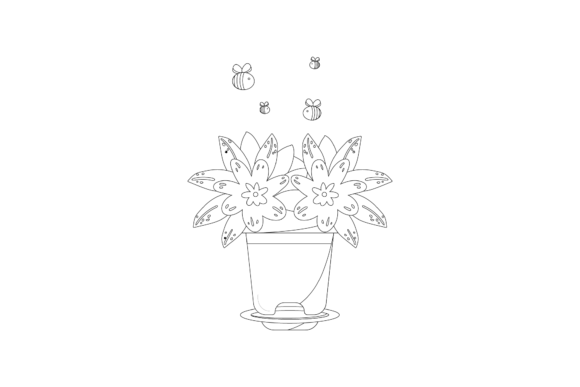
Flower Decorative in Pots Outline: A Comprehensive Evaluation for Designers and Crafters
In the evolving landscape of digital design and crafting, finding versatile assets that bridge the gap between aesthetic appeal and technical utility is essential. The Flower Decorative in Pots Outline has emerged as a significant resource for professionals and hobbyists alike who require high-quality vector graphics for their projects. Unlike static images or complex illustrations that are difficult to manipulate, this specific outline offers a streamlined approach to floral design. It serves as a foundational element that can be adapted for various applications, from large-scale wall art to intricate cut files for vinyl machines.
Understanding what makes this asset distinct requires looking beyond the visual representation of flowers in containers. The core value lies in its structural integrity and format flexibility. When evaluating digital assets, the ability to scale without losing resolution is paramount. This outline provides a crisp, clean line work that maintains its quality regardless of whether it is resized for a business card or expanded for a storefront banner. For those researching options for their next project, recognizing these technical attributes is the first step toward making an informed decision.
Distinguishing Features of the Flower Decorative in Pots Outline
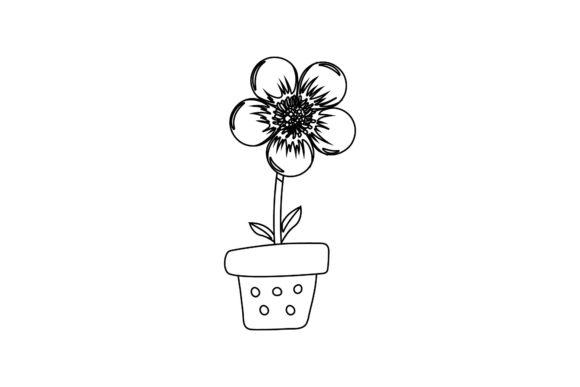
The primary characteristic that sets the Flower Decorative in Pots Outline apart from standard clipart is its focus on editable geometry. Many floral designs found online are raster-based, meaning they are made of pixels. When you attempt to enlarge a pixel-based image, it becomes blurry and jagged. In contrast, this outline utilizes vector technology, which defines shapes using mathematical points and lines. This distinction allows designers to modify every aspect of the image—adjusting the curve of a pot's rim or thickening the stem of a flower—without degrading the output quality.
Furthermore, the aesthetic of an outline differs significantly from a filled illustration. While filled images provide immediate color and texture, outlines offer a minimalist canvas. This style is particularly effective for layering. A designer can take the Flower Decorative in Pots Outline and apply custom gradients, textures, or patterns that match a specific brand identity or seasonal theme. It transforms a generic graphic into a bespoke piece of art tailored to the user's exact specifications.
Format Versatility and Technical Specifications
One of the most critical factors in selecting a digital asset is the availability of file formats. The Flower Decorative in Pots Outline is delivered with exceptional versatility, catering to a wide range of software environments. The package includes six distinct digital files, ensuring compatibility across different platforms:
- AI File: Native Adobe Illustrator format, ideal for professional graphic designers who need to edit layers and paths directly within the industry-standard software.
- EPS File: An Encapsulated PostScript file that ensures compatibility with older versions of design software and print production workflows.
- SVG File: Scalable Vector Graphics, perfect for web design, responsive layouts, and modern cutting machines like Cricut or Silhouette.
- DXF File: Drawing Exchange Format, a crucial file type for users working with CAD software or industrial laser cutting equipment.
- JPG File: A high-resolution raster image (1920px x 1280px) suitable for quick previews, social media posts, or printing where editing is not required.
- PNG File: Portable Network Graphics, offering a transparent background version that allows for seamless integration into existing designs without white boxes.
This comprehensive suite of formats eliminates the common frustration of needing to convert files manually, a process that often introduces errors or reduces quality. Whether the end goal is screen printing, embroidery, or physical crafting, having the correct native file ready to go streamlines the workflow significantly.
Comparative Analysis: Outlines vs. Filled Illustrations
When evaluating resources for a project, a common dilemma arises: should one choose a fully colored, detailed illustration or a simple outline? The Flower Decorative in Pots Outline falls into the latter category, but this classification does not imply a lack of sophistication. Instead, it represents a strategic choice for specific use cases.
Filled illustrations are excellent for immediate visual impact. They are ready to use "out of the box" and require no additional creative input regarding color theory or shading. However, they suffer from limitations in customization. If a client needs a blue pot instead of a red one, or if the design needs to be cut from a specific material like wood or metal, a filled image is often unusable without extensive tracing or masking.
In comparison, the outline format offers superior adaptability. Consider a scenario where a crafter wants to create a set of wall decals. Using a filled image might limit them to the colors provided in the original file. With the Flower Decorative in Pots Outline, they can cut the shape out of any colored vinyl available on the market. Similarly, for a graphic designer creating a logo, an outline allows for the application of corporate colors that align perfectly with brand guidelines, something impossible with a pre-colored stock image.
Tradeoffs and Limitations
While the benefits of the outline format are clear, it is important to acknowledge the tradeoffs. The primary limitation is the requirement for post-processing. To use the Flower Decorative in Pots Outline effectively, the user must have some level of proficiency in design software. They must be willing to add fills, adjust strokes, or combine the outline with other elements to achieve a finished look. For a beginner looking for a "plug-and-play" solution, this extra step might seem daunting.
Additionally, the artistic style is inherently simpler. If a project demands hyper-realistic details, such as individual petal veins or complex lighting effects, an outline will not suffice. In such cases, a high-resolution photograph or a highly detailed vector illustration would be a better fit. The outline excels in abstraction and stylization, making it ideal for modern, clean, and geometric design aesthetics rather than traditional realism.
Best-Fit Scenarios for the Flower Decorative in Pots Outline
To determine if this asset is the right choice, consider the specific requirements of your current project. The Flower Decorative in Pots Outline is particularly well-suited for the following scenarios:
- Physical Crafting and Cutting Projects: Users operating vinyl cutters, laser cutters, or CNC routers benefit immensely from the SVG and DXF formats. The clean lines ensure precise cuts, resulting in professional-looking signs, stencils, and decorations.
- Brand Identity Development: Startups and small businesses often need scalable logos. The vector nature of the outline allows for easy modification to fit different brand palettes while maintaining sharpness at any size.
- Textile and Print Design: For t-shirt printing, tote bags, or pattern design, outlines provide a clean base that can be screen-printed or embroidered with precision. They avoid the issues associated with halftones or color separation that often plague complex filled images.
- Web and App Interfaces: The SVG format ensures that the graphics load quickly and remain sharp on high-density displays, such as Retina screens, making them ideal for user interface elements.
Conversely, if you are designing a children's book cover that requires rich, saturated colors and textured backgrounds, or if you are creating a marketing flyer where speed is the only priority and customization is not needed, a filled illustration might be more appropriate. The outline is a tool for creation, whereas filled images are tools for presentation.
Decision Factors and Final Considerations
Choosing the right digital asset ultimately comes down to balancing effort against outcome. The Flower Decorative in Pots Outline requires an investment of time in the design phase but pays dividends in flexibility and longevity. Because the source files are editable vectors, the asset remains useful even as trends change. You can update the colors, swap the font, or integrate the pot design into a new composition years later without starting from scratch.
The inclusion of multiple formats further solidifies its value proposition. By providing AI, EPS, SVG, DXF, JPG, and PNG files, the package accommodates the entire lifecycle of a project—from initial concept sketching in Illustrator to final production on a cutting machine or web deployment. This all-in-one approach removes the need to purchase separate assets for different stages of development.
For adults aged 20 to 50 who are navigating the intersection of digital creativity and practical application, this outline represents a smart investment. It empowers users to move beyond passive consumption of images and become active creators. Whether you are a seasoned graphic designer looking for a robust base layer or a craft enthusiast wanting to personalize home decor, the Flower Decorative in Pots Outline offers the technical foundation necessary to bring your vision to life. By understanding its strengths and limitations, you can make a confident decision that aligns with your specific goals and skill level.