Decorative Pattern Design Set: Avoiding Common Pitfalls for Professional Results
When you are looking to elevate a project, whether it is a custom t-shirt line, a high-end poster, or a personalized phone case, the foundation often lies in the details. A Decorative Pattern Design Set offers a versatile solution that can transform a generic item into something unique and marketable. However, simply downloading a pattern file does not guarantee success. Many creators rush into using vector graphics without understanding the specific technical requirements, leading to blurry prints, licensing issues, or designs that look amateurish.
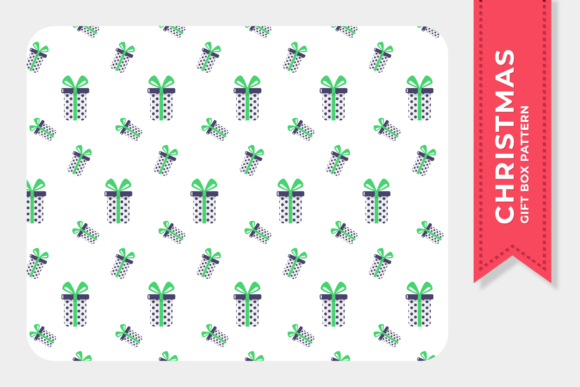
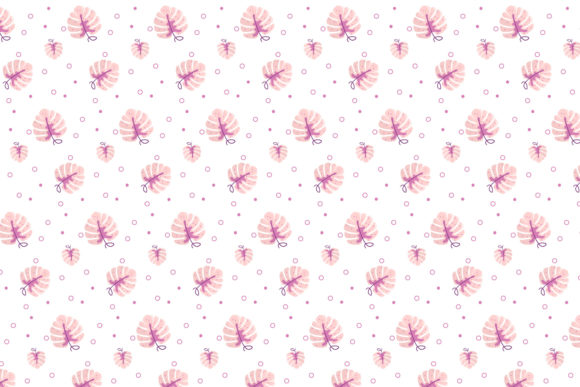
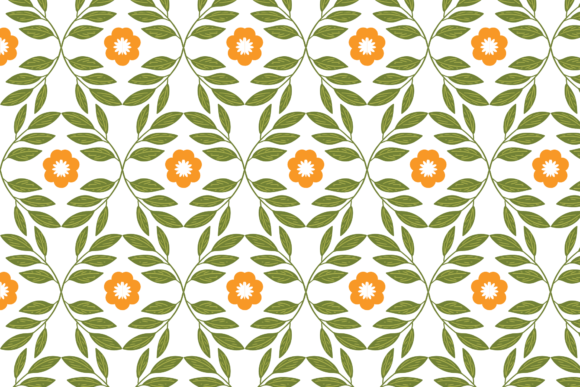
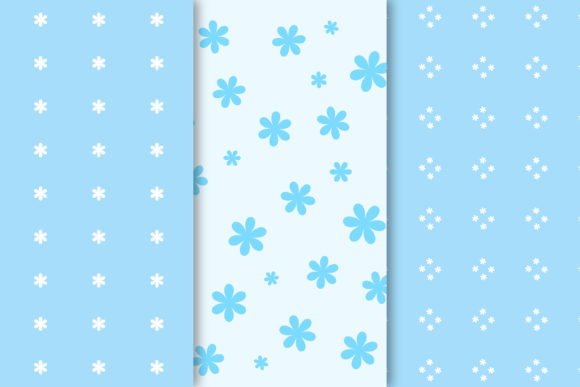
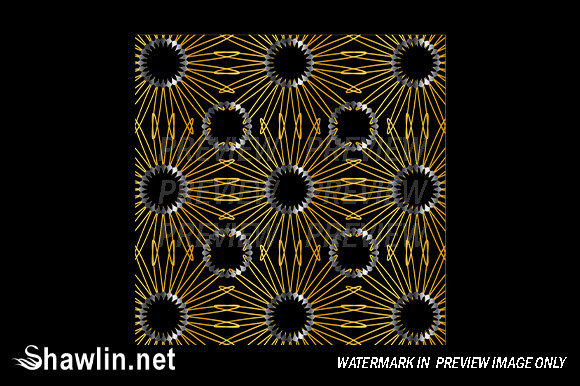
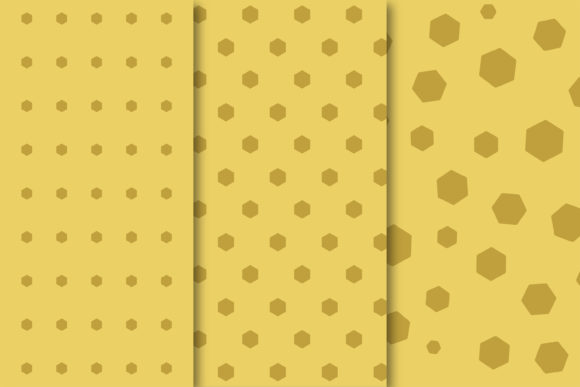
The right set of seamless patterns should be more than just a pretty image; it needs to be a robust asset that adapts to your workflow. This collection includes both SVG and EPS files, featuring 100% vector shapes that are fully resizable. While these features sound perfect on paper, the real value comes from how you apply them. Let's explore the common oversights people make when working with these assets and how to ensure your final output looks professional.
Understanding the Power of Vector Formats
One of the most critical distinctions in graphic design is between raster images (like JPEGs) and vector graphics. A Decorative Pattern Design Set built on vector technology changes the game entirely because it relies on mathematical paths rather than fixed pixels. This means you can scale a pattern up to billboard size or down to a tiny sticker without losing any sharpness.
Mistake Alert: A frequent error occurs when users download what they think is a vector file but actually receive a low-resolution PNG or JPG. When this happens, the image becomes pixelated immediately upon resizing. If you try to print a small logo on a mug and then enlarge it for a hoodie, a raster file will look blocky and unprofessional. Always verify that your download contains true vector data.
This is where the inclusion of both SVG and EPS files in this set becomes invaluable. The SVG format is ideal for web designers and those working in modern software like Figma or Adobe Illustrator, offering instant scalability. Meanwhile, the EPS file ensures compatibility with older printing presses and traditional layout programs. By having both, you eliminate the frustration of converting formats, which often introduces errors or artifacts.
Why Resolution Matters for Print
While vectors are resolution-independent, the final output depends heavily on the printer's capabilities. The description mentions high quality with 300 dpi. In the context of vector files, this refers to the intended output density when the design is rendered. If you are preparing a design for commercial printing, such as large posters or packaging, 300 dpi is the industry standard for crisp, clear results.
Many beginners overlook the difference between screen resolution (72 dpi) and print resolution (300 dpi). If you export a design at the wrong settings, even a perfect vector file can result in a muddy print. Before sending your file to a printer, always check the document settings. Ensure your canvas is set to CMYK color mode for print projects, whereas RGB is better for digital screens. Ignoring this step can lead to colors that look dull or shifted once printed on physical media like hoodies or bags.
Maximizing Versatility Across Products
The versatility of a Decorative Pattern Design Set is its greatest selling point. You might start by designing a simple invitation card, only to realize later that you need the same pattern for a tote bag or a phone cover. Because the shapes are fully editable, you don't need to create a new design from scratch for every product.
Common Misunderstanding: Users often assume that a pattern designed for a flat surface works perfectly for curved objects without modification. For example, wrapping a seamless pattern around a cylindrical mug requires careful adjustment to avoid distortion at the seams. If the pattern is not truly seamless or if the alignment points are off, you will see visible gaps or overlaps on the finished product.
To avoid this, take advantage of the fully editable vector nature of the files. Use the individual shape tools in your software to tweak the spacing or repeat the pattern specifically for the curvature of the object you are designing for. This level of control ensures that the design flows naturally over the product, maintaining the aesthetic integrity regardless of the medium.
Practical Applications for Creators
Whether you are a freelancer creating merchandise for clients or a small business owner launching your own brand, efficiency is key. This set supports a wide range of applications, including:
- T-Shirts and Hoodies: Create all-over prints that cover the entire garment seamlessly.
- Phone Covers: Design intricate back covers that fit various device dimensions.
- Stationery: Generate cohesive branding for cards, invitations, and posters.
- Stickers and Bags: Produce durable, high-quality decals and fabric prints.
By utilizing a single, high-quality asset library, you save time and reduce costs. Instead of hiring a designer for each new product variation, you can modify the existing patterns yourself. This approach empowers hobbyists and professionals alike to iterate quickly and test different markets without significant overhead.
Evaluating Your Choices Before You Download
Before committing to any design resource, it is wise to pause and evaluate what you actually need. Not every pattern set is suitable for every project. Some designs are too complex for embroidery, while others might lack the necessary contrast for small-scale items like stickers.
What to Check:
- File Format Compatibility: Ensure your current software can open SVG and EPS files. Most professional tools handle these natively, but some free online editors may have limitations.
- Color Profiles: Verify if the design uses spot colors or process colors. If you plan to use specific Pantone colors for your brand, you may need to adjust the vector paths manually.
- Scalability: Test the pattern by scaling it up and down in your design software. Does the detail hold up? Are the lines too thin for screen printing?
Being proactive about these checks prevents costly mistakes later. For instance, if you order a batch of mugs with a pattern that has extremely fine lines, the printing process might blur them out, ruining the entire order. By testing the design first, you can simplify the elements or increase the line weight to ensure clarity.
Conclusion: Building Better Designs
A Decorative Pattern Design Set is more than just a collection of images; it is a toolkit for creativity. By choosing a set that offers 100% vector shapes, multiple file formats, and high-quality resolution, you set yourself up for success. The key to avoiding poor results lies in understanding the technical nuances of vector graphics and respecting the requirements of your chosen medium.
Take the time to edit, adapt, and refine your patterns. Don't just drop an image onto a template and hope for the best. With the right approach, these patterns become powerful tools that enhance your brand, engage your audience, and deliver the professional quality that customers expect. Whether you are decorating a home, launching a clothing line, or creating digital art, these resources provide the flexibility you need to bring your vision to life.