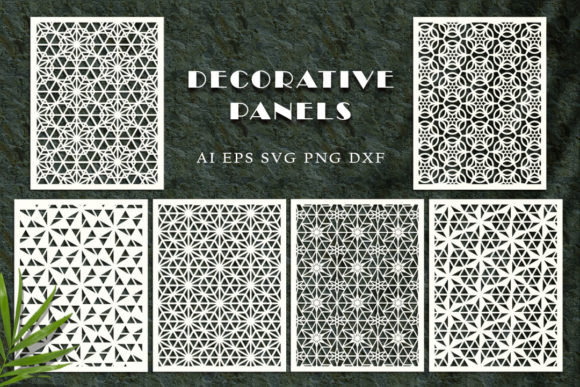
Decorative Panels for Cutting: A Versatile Digital Resource for Creative Projects
In the rapidly evolving world of digital design and physical crafting, finding high-quality assets that bridge the gap between screen and reality is essential. Whether you are a professional graphic designer looking to create intricate signage, a small business owner producing custom home decor, or a hobbyist eager to bring unique ideas to life, the availability of precise vector files can make all the difference. This is where Decorative Panels for Cutting SVG emerge as a powerful tool. These digital assets are not merely images; they are functional blueprints designed to transform flat materials into three-dimensional structures or stunning visual displays.
Understanding the Core Utility of Decorative Panels
At their heart, decorative panels serve as modular building blocks for creativity. The concept of Decorative Panels for Cutting SVG revolves around providing users with scalable, precise designs that can be manipulated by computer-controlled cutting machines, such as Cricut, Silhouette, or industrial laser cutters. Unlike raster images that lose quality when enlarged, these vector-based files maintain perfect clarity at any size, ensuring that the final physical product looks as crisp as intended.
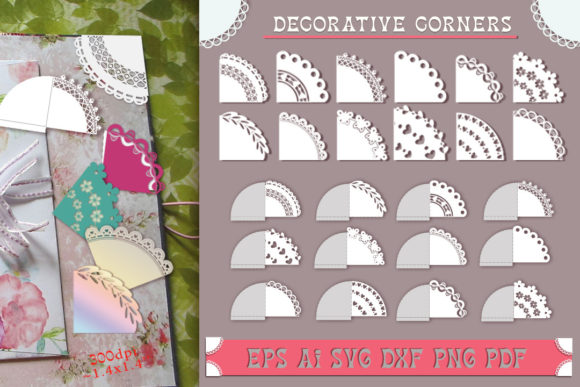
The primary purpose of these panels is versatility. They are engineered to function effectively as partitions in open-plan spaces, protective screens for delicate items, or decorative fence panels for outdoor privacy. However, their utility extends far beyond structural applications. In the realm of interior design, they act as sophisticated door screens, adding texture and light play to a room without blocking airflow. For those interested in paper crafts, these same files serve as the foundation for elaborate postcard backgrounds, greeting cards, and scrapbooking elements.
The Technical Specifications That Matter
When selecting a digital asset for a project, understanding the technical specifications is crucial for success. The specific set of Decorative Panels for Cutting SVG discussed here offers a standardized yet flexible format. Each panel measures exactly 215.9 x 279.4 mm. To put this in perspective, these dimensions align perfectly with standard A4 paper sizes, making them incredibly convenient for users who work within common office or craft supply constraints. This standardization simplifies the workflow, allowing creators to plan their layouts without complex scaling adjustments.
The value of this resource lies not just in the single design, but in the comprehensive package provided. Upon downloading, users receive a robust collection of six distinct EPS10 files compatible with Adobe Illustrator and most other industry-standard vector programs. This ensures that professionals working in different software ecosystems can access the same high-quality data. Furthermore, the inclusion of six PNG files provides immediate visual reference, offering product images on a transparent background that are ready for marketing materials or quick previews.
Applications Across Industries and Hobbies
The beauty of Decorative Panels for Cutting SVG is their adaptability across various sectors. Let us explore how different groups utilize these files to solve problems and enhance their output.
- Interior Designers and Home Decorators: One of the most popular uses involves creating room dividers. By assembling multiple panels, designers can construct temporary walls that define spaces without the permanence of drywall. These panels can be crafted from wood, acrylic, or heavy cardstock, offering a modern aesthetic that filters light beautifully.
- Fencing and Outdoor Structures: For homeowners seeking privacy solutions that do not block wind entirely, decorative fence panels are ideal. When cut from durable materials like metal mesh or treated timber, these panels provide security while maintaining an elegant, open feel. The intricate patterns allow for air circulation, preventing the "greenhouse effect" often found in solid wooden fences.
- Printers and Stationery Creators: The inclusion of printable versions with a resolution of 300 dpi makes these files a goldmine for print-on-demand businesses. Users can generate high-quality postcards, invitations, or book covers where the decorative panel serves as a textured background. The transparency of the PNG files allows for seamless layering over photographs or solid colors.
- Prototyping and Manufacturing: Small business owners can use the DXF and AI files to prototype packaging or display stands. The ability to export to formats like DXF allows for direct integration with CNC machinery, streamlining the path from digital concept to mass production.
Bridging the Gap Between Digital and Physical
A significant advantage of this specific collection is the variety of file formats included. While the SVG and EPS files are the workhorses for cutting machines, the presence of one common Ai and DXF file caters to a broader range of technical needs. The DXF format, in particular, is vital for users operating older CAD software or specific laser cutter interfaces that require this legacy standard. This multi-format approach eliminates the frustration of converting files, which can sometimes introduce errors or distortions in the final design.
Moreover, the provision of a printable version at 300 dpi addresses the needs of those who may not own a cutting machine but still wish to produce high-resolution prints. This democratizes access to professional-grade graphics, allowing anyone with a standard inkjet or laser printer to create premium-looking products.
Evaluating Suitability for Your Project
Before incorporating Decorative Panels for Cutting SVG into your workflow, it is important to evaluate whether this resource aligns with your specific goals. The standard size of 215.9 x 279.4 mm is excellent for individual projects, but what if you need a larger installation?
The strength of vector graphics lies in scalability. You can resize the panels to cover a wall or shrink them down for a miniature model. However, practical considerations apply. If you are using the panels as a physical partition, the material thickness must be considered. Thicker materials may require adjustments to the joinery or spacing of the design elements to ensure structural integrity. Similarly, for outdoor fencing, the choice of material is paramount; a design that works beautifully in paper may degrade quickly under UV exposure unless made from weather-resistant polymers or metals.
For beginners, the inclusion of both vector and raster (PNG) files offers a gentle learning curve. You can start by printing the 300 dpi version to test the layout and visual impact before committing to expensive materials or programming a cutting machine. This iterative process helps refine the vision and reduces waste.
Practical Expectations and Limitations
While these files offer immense flexibility, it is wise to understand their limitations. The design itself is static; it does not include instructions for assembly. The user is responsible for sourcing the appropriate materials, determining the best method of joining the panels, and finishing the edges. Additionally, while the files are optimized for precision cutting, extremely fine details might pose challenges depending on the capabilities of the specific cutting tool being used. Always perform a test cut on a scrap piece of material to verify that the machine can handle the intricacies of the pattern.
Furthermore, the commercial usage rights should always be verified based on the specific license agreement of the store. While the files are versatile, some creators may restrict the resale of the raw digital files, even if the physical products made from them are allowed for sale.
Conclusion: Empowering Creativity Through Precision
The market for digital design assets is vast, but few resources offer the same level of practical utility as Decorative Panels for Cutting SVG. By combining standard sizing, multiple file formats, and high-resolution printing options, this collection serves as a comprehensive toolkit for a wide array of users. From the DIY enthusiast crafting a unique gift to the professional architect designing a sustainable partition system, these panels provide the foundation for innovation.
The thoughtfulness behind the package—offering EPS10, SVG, PNG, Ai, and DXF formats—demonstrates a deep understanding of the diverse workflows in the creative community. It removes technical barriers, allowing the focus to remain on the creative process itself. Whether you are looking to enhance your home decor, expand your product line, or simply experiment with new materials, these decorative panels offer a reliable starting point.
If you find yourself with questions about how to best implement these designs or need advice on material selection, reaching out to the creator, Svetlana, can provide further clarity. Engaging with the source of such well-crafted assets often leads to better results and a deeper appreciation of the design possibilities available. Ultimately, the true value of Decorative Panels for Cutting SVG lies in its ability to turn abstract concepts into tangible, beautiful realities.