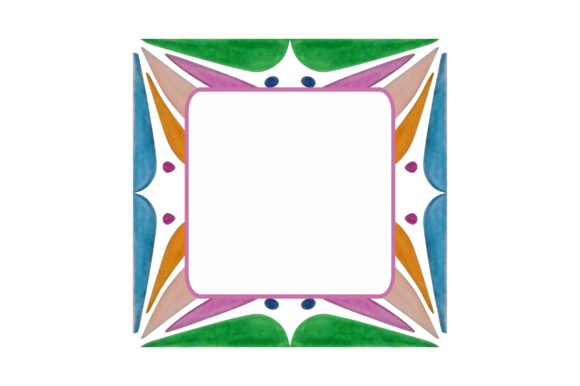
Decorative Frame with Ornament Border
In a digital landscape saturated with minimalist trends and stark white spaces, the strategic application of a Decorative Frame with Ornament Border offers a distinct advantage for professionals seeking to command attention without sacrificing elegance. This is not merely about adding visual flair; it is about curating an environment that signals quality, tradition, and intentionality. Whether you are a small business owner refining your brand identity or a marketer crafting a high-stakes presentation, understanding the utility of this design element allows you to elevate your communication from functional to memorable.
The download you possess includes versatile file formats—JPG, EPS, and PNG transparent background. These specific assets are critical because they dictate how you integrate the frame into your workflow. The EPS format ensures scalability for large-format printing without pixelation, while the PNG with a transparent background provides the flexibility to layer the ornament over complex textures or existing designs without unsightly white boxes. However, the true value lies in how you deploy these elements to support your broader objectives.
Strategic Positioning Through Visual Hierarchy
Effective design is rarely accidental; it is a tool for guiding the viewer's eye and establishing a clear hierarchy of information. A Decorative Frame with Ornament Border acts as a natural container, creating a focal point that draws the audience inward. When used correctly, this element frames your core message, effectively saying, "Pay attention here." For entrepreneurs and educators, this means your key data points, testimonials, or educational content are isolated from visual noise, ensuring the intended takeaway is received clearly.
Consider the psychology of framing. In architecture, a doorway defines a space; in graphic design, a border defines importance. By surrounding your primary content with an ornamental border, you create a sense of enclosure and safety. This is particularly useful for decision-makers who need to process complex information quickly. The frame reduces cognitive load by visually separating the signal from the noise. It tells the brain that what lies within the boundary is curated, vetted, and worthy of scrutiny.
- Brand Consistency: Use the frame to maintain a cohesive look across different media, reinforcing your brand's established voice.
- Content Prioritization: Highlight critical announcements or offers that require immediate action.
- Visual Rest: Provide a structured pause in a dense document or website layout, allowing the reader to breathe before moving to the next section.
Integrating Assets into Professional Workflows
The technical specifications of your download are just the starting point. To achieve better results, you must understand the operational strengths of each file type. The JPG version is ideal for web use where file size matters, but be cautious of compression artifacts if you plan to zoom in on fine details. The EPS vector format is your powerhouse for print production. If you are producing annual reports, certificates, or large-scale marketing collateral, the EPS ensures that the intricate lines of the ornament remain crisp regardless of the output size.
The PNG with transparent background is perhaps the most versatile asset for digital creators and freelancers. Because it lacks a background color, you can place the frame over photographs, gradient backgrounds, or busy text layouts seamlessly. This capability supports a more dynamic approach to content creation. Instead of being limited to solid colors, you can let the frame interact with the underlying image, creating depth and texture. This layering technique adds a tactile quality to digital screens, mimicking the experience of holding a physical, well-crafted document.
When planning your projects, ask yourself: What is the medium? If the output is a printed certificate for an award ceremony, the EPS format guarantees professional fidelity. If the output is a social media post featuring a client testimonial, the PNG allows you to blend the frame into a lifestyle image, making the endorsement feel organic rather than staged.
Planning for Long-Term Brand Equity
Decisions made today regarding visual assets often echo through years of brand development. A Decorative Frame with Ornament Border can serve as a signature element of your visual identity. Unlike trendy graphics that may date quickly, classic ornamentation often conveys stability and longevity. For businesses aiming to project trustworthiness—such as financial advisors, legal firms, or heritage brands—this style of framing aligns with the values of reliability and timelessness.
However, consistency is paramount. Once you decide to adopt this aesthetic, apply it strategically across touchpoints. Use it on letterheads, email signatures, digital certificates, and presentation slides. Over time, this repetition builds recognition. Clients begin to associate the specific style of the frame with your level of service and attention to detail. This subconscious association contributes significantly to customer experience and loyalty.
Yet, integration requires discipline. Do not scatter the frame randomly. Ensure that its usage reinforces your positioning. If your brand is modern and disruptive, a heavy, baroque frame might clash with your message. In such cases, consider using the frame sparingly or selecting a version with cleaner lines. The goal is alignment between the visual language and the strategic narrative you are telling.
Risks of Unintentional Application
While the potential benefits are significant, relying on decorative elements without a clear strategy can backfire. The most common pitfall is the "clutter effect," where the frame competes with the content rather than supporting it. If the ornamentation is too dense or the contrast is too high, it can distract from the message. For marketers and publishers, this risk is real; a busy border can obscure text or make a call-to-action button difficult to spot.
Another risk is the perception of obsolescence. If the frame looks dated or overly generic, it may undermine the professionalism of the content. This is why the source and quality of the asset matter. A poorly designed frame suggests a lack of care in other areas of your operation. Conversely, a high-quality, well-executed Decorative Frame with Ornament Border suggests that you value aesthetics and precision.
To mitigate these risks, always test your designs. Print them out. View them on mobile devices. Ask colleagues for feedback. Does the frame enhance the content, or does it demand attention away from it? If the answer leans toward distraction, scale back the opacity, reduce the size, or remove the element entirely. Remember that less is often more when it comes to strategic design.
Practical Examples for Diverse Industries
Let us explore how this asset can be applied intentionally across different sectors. For an educator, a Decorative Frame with Ornament Border can transform a standard worksheet into a formal certificate of completion, increasing the perceived value of the achievement for the student. The frame adds weight to the accomplishment, signaling that the work was rigorous and recognized.
For a freelancer or creative agency, this frame can be used to wrap case study images. Placing a photo of a project inside the ornamental border creates a gallery-like effect, elevating the portfolio piece above a simple JPEG. It suggests that the work is art, not just a deliverable.
In the realm of publishing, authors can use the frame to highlight pull quotes or key insights within a book layout. This breaks up the text and encourages the reader to pause and reflect on important passages. For small business owners, the frame can add a touch of sophistication to invoices and receipts, turning a mundane transaction into a positive brand interaction.
Making the Decision: Intentionality Over Impulse
The ultimate guide to using a Decorative Frame with Ornament Border is intentionality. Before placing the frame on any canvas, define the goal. Are you trying to create a sense of occasion? Are you trying to protect and isolate sensitive information? Are you trying to evoke a specific historical era? Your answer should drive the placement, size, and opacity of the element.
Do not use the frame simply because it is available. Use it because it serves a purpose. If the content stands strong on its own, adding a frame might be unnecessary decoration. But if the content needs a stage, a spotlight, or a boundary, then the frame becomes a functional tool. This mindset shift—from seeing design as decoration to seeing it as strategy—is what separates amateur efforts from professional execution.
By leveraging the JPG, EPS, and PNG formats effectively, you ensure that your strategic vision is executed flawlessly across all platforms. Whether you are designing a one-time event flyer or building a long-term brand system, the thoughtful inclusion of an ornamental border can be the difference between being noticed and being remembered. Approach every project with the question: "Does this frame help me achieve my goal?" If the answer is yes, proceed with confidence. If the answer is no, find a simpler path. In both cases, clarity of purpose leads to superior outcomes.